
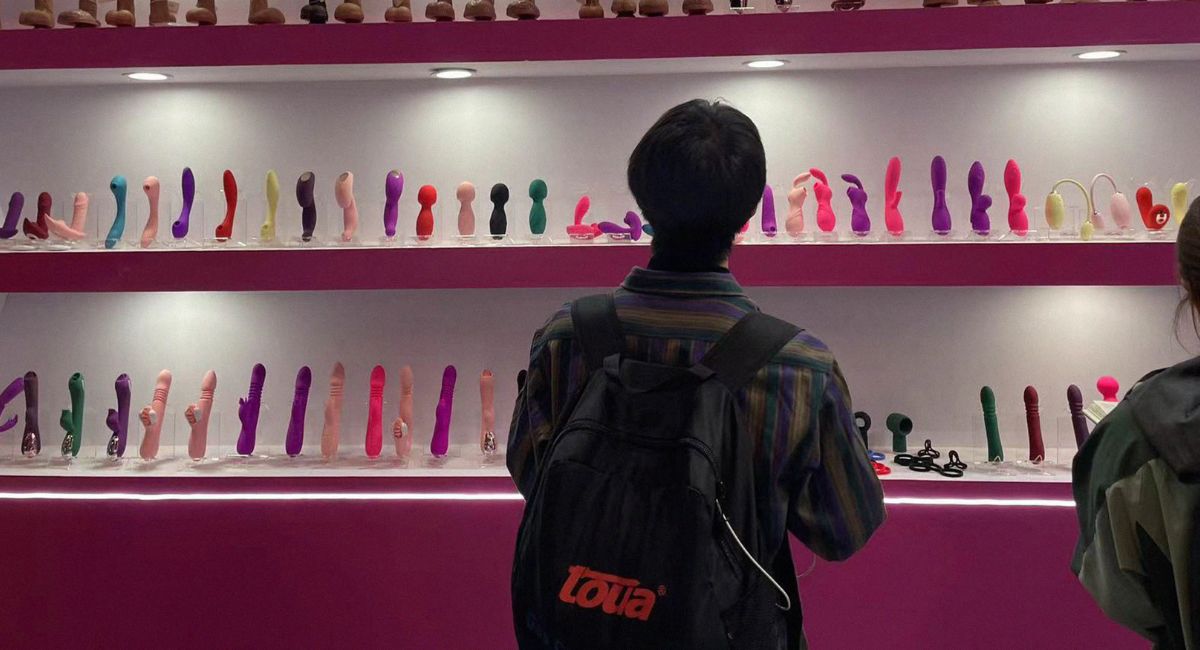
Sex Toys Industry has extended to numbers so big most people have never seriously considered. In 2023, the global sex toys industry generated approximately 48.6 billion US dollars, a figure so large that it converts into trillions of Pakistani and Indian rupees. To understand its scale, this amount exceeds the total GDP of more than 100 countries combined. Experts predict that by 2030, the global sex toys industry could grow to nearly 82.2 billion US dollars, multiplying its influence across cultures, economies, and media platforms worldwide.
This is not simply about products. It is about how the sex toys industry quietly adjusts itself into societies, shaping conversations, advertising trends, and cultural norms often without open public debate.
Sex Toys Industry Global Statistics In 2024:
Sex toys industry has clearly penetrated in the gender markets when we examine gender-specific markets. In 2024, products designed for women accounted for nearly 24.89 billion US dollars, while male-focused products reached approximately 21.5 billion US dollars. Analysts note that female-targeted segments are growing faster, largely driven by marketing campaigns framed around empowerment, wellness, and self-expression.
What was once considered taboo is now packaged in minimalist designs, promoted through lifestyle branding, and delivered discreetly to homes. The shift from secrecy to normalization did not happen overnight. It was built gradually through media influence, online platforms, and carefully targeted advertising strategies.
Why Sex Toys Industry Is Growing in South Asia Rapidly:
Sex toys industry is no longer confined to Western societies and cultures only. Take India as an example. In 2024, India’s sex toys market was valued at approximately 112 million US dollars, with projections suggesting it could grow to nearly 458 million US dollars by 2033. Although smaller than Western markets, its growth rate remains rapid and consistent.
Cultural similarities between Pakistan and India make these trends particularly relevant. Once growth stabilizes in one regional market, neighboring societies often experience similar exposure through social media, cross-border entertainment, and digital commerce.
The Sex Toys Industry Growth in Pakistan:
Sex toys industry has quietly entered Pakistan as well. According to digital trend analysis, search terms such as “Buy Sex Toys Online,” “Adult Products in Pakistan,” and “Vibrators” have shown noticeable growth, particularly in cities like Karachi, Lahore, and Islamabad.
Online stores and discreet delivery systems now make access easier than ever. Market observers estimate that Pakistan’s annual industry value ranges between 8–10 million US dollars, translating into billions of rupees circulating quietly within the digital economy. Influencers and certain online personalities increasingly discuss and promote these products openly, further accelerating their normalization in society. The rise of discreet payment methods has played a significant role in the expansion of Pakistan’s online adult product market. Many users prefer telecom billing due to its anonymity, but concerns around unexpected charges remain a barrier. If you’ve ever faced such issues, here’s a detailed guide on mobile balance deductions in Pakistan and how to stop them.
The Sex Toys Industry And LGBTQ:
The expansion of the sex toys industry is also linked to broader social movements and identity-based marketing. Studies suggest that a significant percentage of consumers are women, with some research indicating usage rates exceeding 70% in certain surveys. Additionally, product lines tailored for LGBTQIA communities are expanding, with manufacturers designing specialized items for niche markets.
From a business perspective, this represents strategic segmentation. From a cultural perspective, it reflects how the sex toys industry aligns itself with evolving social narratives to secure long-term growth.
Media! A Huge Source of Expansion of Sex Toys Industry Globally:
The sex toys industry is strongly expanded and reinforced through global media. Films, web series, podcasts, and talk shows increasingly portray such products as symbols of modernity, fashion, and openness. Across global entertainment platforms from Hollywood productions to regional cinema, the subject appears more frequently, often framed as progressive and empowering.
When billions of dollars are invested in an industry, marketing naturally follows. Media representation reduces stigma, encourages curiosity, and gradually shifts public thinking. In many conservative societies, social media influencers even couples, have begun openly discussing and promoting such products, signaling a cultural shift that would have been difficult to imagine a decade ago.
Future of Sex Toys Industry:
As the sex toys industry expands with each coming day, it also ultimately raises a broader question? Is this simply economic globalization, or does it represent a deeper cultural transformation? In countries like the United States, surveys suggest that more than 80% of women own at least one such product. In parts of Europe, usage rates exceed 50%. Even in India, surveys indicate around 30% lifetime usage among adults.
The debate therefore extends beyond profit and personal choice. It touches on identity, tradition, and the direction societies choose to move toward. Are developing nations adopting global trends through conscious evaluation, or absorbing them through digital exposure without reflection?
When trillions of rupees are invested globally in shaping preferences, lifestyles, and narratives, resistance or criticism becomes difficult. Powerful investors rarely retreat quietly. Instead, they expand marketing, normalize usage, and integrate their products deeper into everyday culture.
Cultural shifts rarely happen through revolutions. They happen through normalization. Quietly. Gradually. Until questioning them begins to feel outdated.

https://www.threads.com/@adilawan9298
Great research work..
Thankyou